NCE Power Cab, Digitrax Zephyr, TCS LT-50, NCE PH5 or Digitrax EVOX?
One of the most common questions we hear from model railroaders getting into DCC is:
“Which DCC system should I buy?”
There isn't one answer that is right for everyone.
A modeler with a small switching layout has very different requirements from someone planning a large basement railroad. Just as importantly, throttle design and operating style are very personal. A system that feels intuitive to one operator may feel awkward to someone else.
For someone starting today, there are five systems we think are particularly useful to compare:
- NCE Power Cab
- Digitrax DCS52 Zephyr Express
- TCS LT-50
- NCE PH5
- Digitrax EVOX Evolution Express
The first three offer very affordable ways into DCC. The PH5 and EVOX represent the other philosophy: spend more initially on a full-size DCC system that you may never have to replace.
NCE Power Cab: Our First Choice for Many Beginners
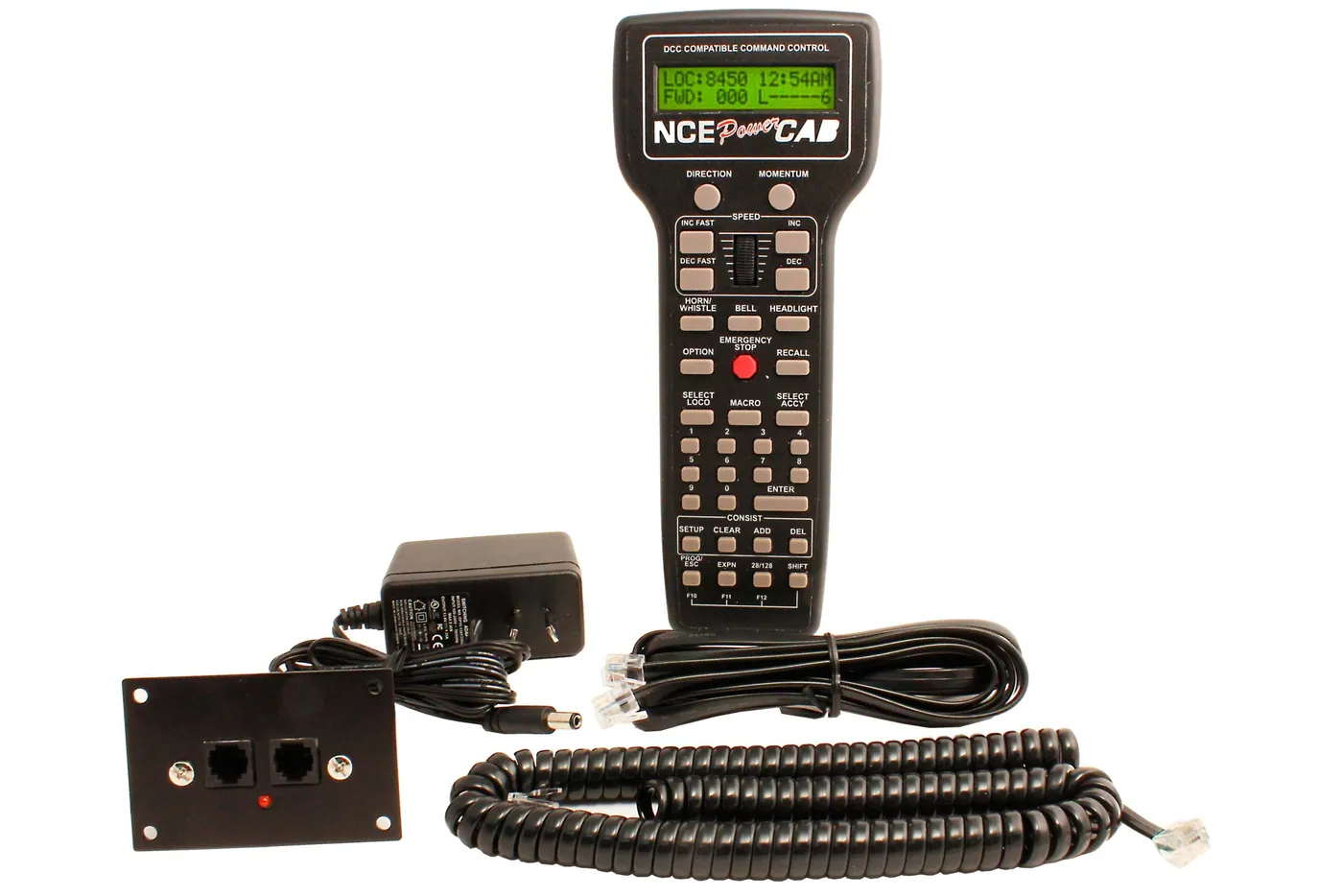
The NCE Power Cab remains one of our most frequently recommended DCC starter systems.
Its biggest advantage is straightforward operation.
The throttle has a large display, clearly labeled buttons and a menu system that most newcomers can learn fairly quickly. The command station, booster and throttle are incorporated into the handheld Power Cab, and installation is essentially a matter of connecting the supplied panel to the track and plugging in the throttle.
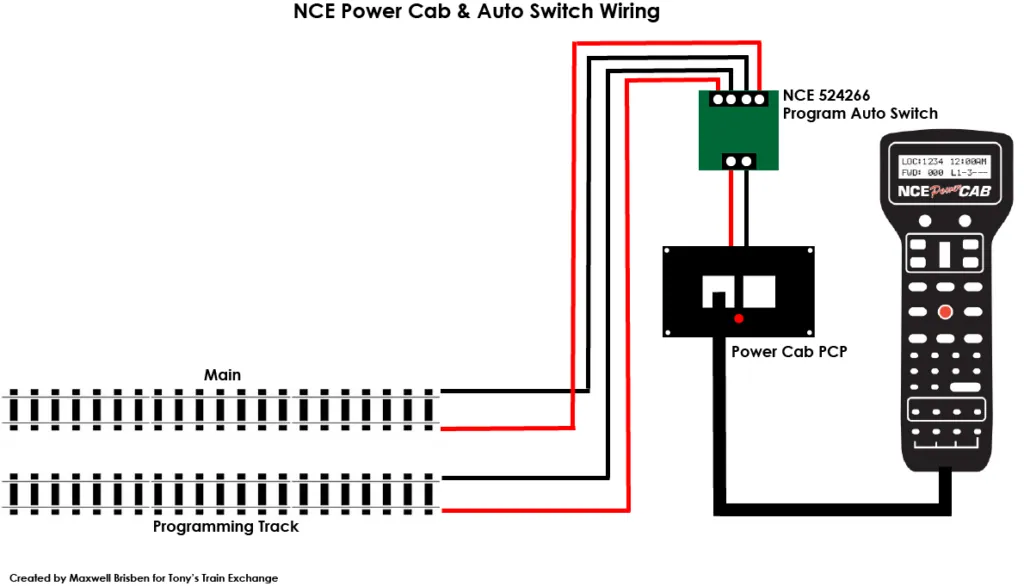
Despite being an entry-level system, it provides the programming and operating capabilities most modelers actually need. Tony's has long used Power Cabs on the test bench in part because of their excellent programming-track capability.
Why We Like It
The Power Cab gives a beginner a relatively easy introduction to:
- 2- and 4-digit locomotive addresses
- Decoder programming
- Consisting
- Accessory decoder operation
- Sound functions
- Computer/JMRI connectivity
- NCE Cab Bus expansion
More importantly, learning the Power Cab also introduces you to the basic operating philosophy used by NCE's larger systems.
If you eventually move to an SB5 or PH5 system, the throttle operation remains familiar.
What Are the Limitations?
A Power Cab is still a starter system.
Has enough power [apx 2.0amps] for 2-4 HO locomotives with DCC & sound
As a layout becomes larger and more operators and locomotives are added, you eventually reach the point where a larger command station and booster make sense [SB5 or PH5 system]
A Power Cab cannot simply be unplugged and operated wirelessly while it is acting as the layout's command station and booster. For true NCE wireless operation, the layout needs a separate command station such as another Power Cab, SB5 or PH5 along with the appropriate RB03 radio base station and radio enabled throttle.
The Power Cab is Best For
Someone who wants an easy-to-learn, traditional handheld DCC system with room to grow.
NCE Articles
Digitrax DCS52 Zephyr Express: A Different Kind of Starter System
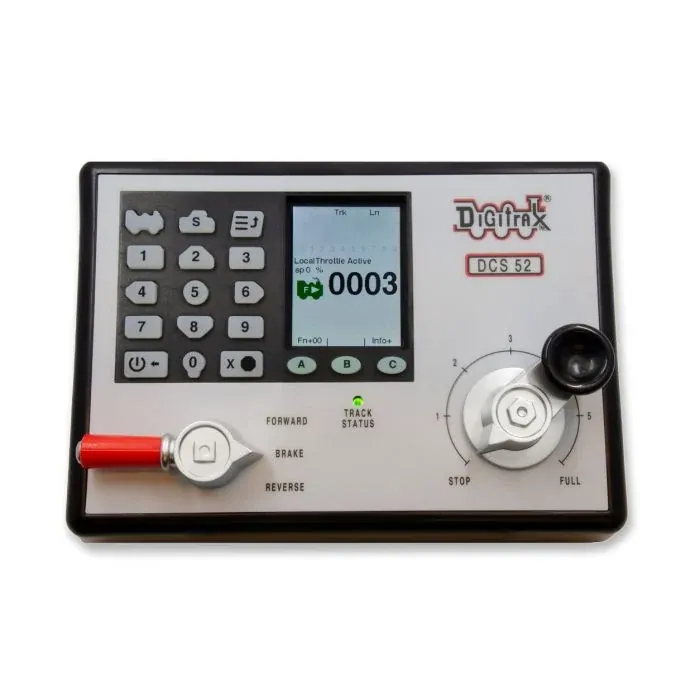
The Digitrax DCS52 Zephyr Express approaches the starter-system market quite differently.
Instead of putting the command station into a handheld throttle, Digitrax uses a desktop console containing the throttle, command station and booster.
The current DCS52 provides 3 amps of track power, supports up to 20 active locomotive addresses and 20 throttles, controls F0-F28, includes a dedicated programming output and has an integrated USB computer interface.
But the most important feature may be something you can't see from the front panel:
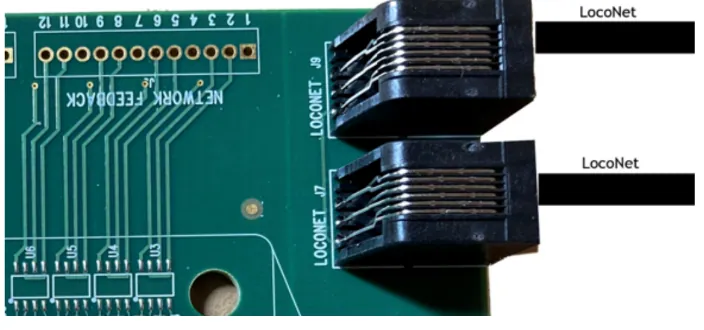
LocoNet.
Why LocoNet Matters
LocoNet is Digitrax's layout-control network.
A Zephyr can become the starting point for a much larger system incorporating:
- Additional handheld throttles
- Wireless throttles
- Additional boosters
- Block detection
- Signaling
- Computer interfaces
- Accessory control
- Other LocoNet devices
That means buying a Zephyr doesn't necessarily mean replacing it when your railroad grows. It can continue serving as part of the larger Digitrax system.
The Important Difference: It's a Console
This is also where we think people should actually operate a Zephyr before deciding whether Digitrax is right for them.
The DCS52 uses a stationary console-style throttle.
Some operators really like sitting at a control position with a large speed knob and direction switch.
Others prefer walking around with a handheld throttle.
That distinction becomes especially important when comparing the DCS52 to the Digitrax EVOX system later in this article.
Best For
Someone who wants an affordable, expandable Digitrax/LocoNet system and likes a console-style throttle.
TCS LT-50: A Modern Approach to the DCC Throttle
The TCS LT-50 represents another approach to the starter DCC system.
TCS designed the LT-50 around a handheld interface with full-text menus and an emphasis on reducing the amount of time an operator spends consulting a manual.
The LT-50 combines a wired handheld throttle with a built-in DCC command station and can also participate in an LCC network. TCS also incorporates features such as RailCom support and programmable throttle controls.
Why the LT-50 Is Interesting
Traditional DCC systems were designed when small LCDs, numeric keypads and nested menus were normal limitations of electronic devices.
TCS has approached the problem from a newer user-interface perspective.
That makes the LT-50 particularly interesting for someone entering DCC today who values:
- Full-text menus
- Excellent ergonomics
- LCC integration
- Programmable controls
- A more contemporary user interface
Its encoder-style knob control serves both speed control and menu navigation.
Think About the Ecosystem
Choosing a DCC system isn't just choosing the box that powers the track.
You're also choosing the architecture that will eventually handle throttles, boosters, layout control, computer interfaces and potentially detection and signaling.
With the LT-50, you're entering the TCS and LCC ecosystem.
Best For
Someone who values a modern handheld interface and is interested in LCC-based expansion.
When Should You Skip the Starter System?
This brings us to an important question.
Suppose you already know you're building a substantial HO layout.
Should you:
Buy an inexpensive starter system and upgrade it later?
Or:
Spend more now for a full-size system that may serve the railroad for decades?
That's where the NCE PH5 and Digitrax EVOX come into the comparison.
NCE PH5: Start With the Full-Size NCE System
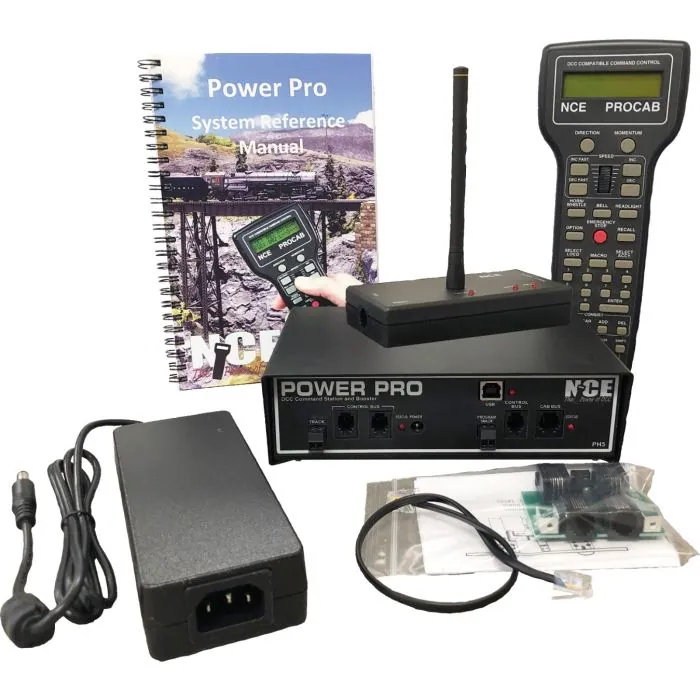
The NCE PH5 takes the general NCE operating philosophy of the Power Cab and moves it into a full-size 5-amp system.
For someone who already knows the railroad will eventually require multiple operators, more locomotives and multiple power districts, starting with the PH5 can make more sense than progressing through several intermediate upgrades.
One of its biggest advantages for someone comparing systems is continuity.
If you pick up a Power Cab and understand how it works, moving to the PH5 feels familiar.
You're still dealing with NCE's handheld throttle philosophy and Cab Bus architecture, but now the command station and booster are separate from the throttle.
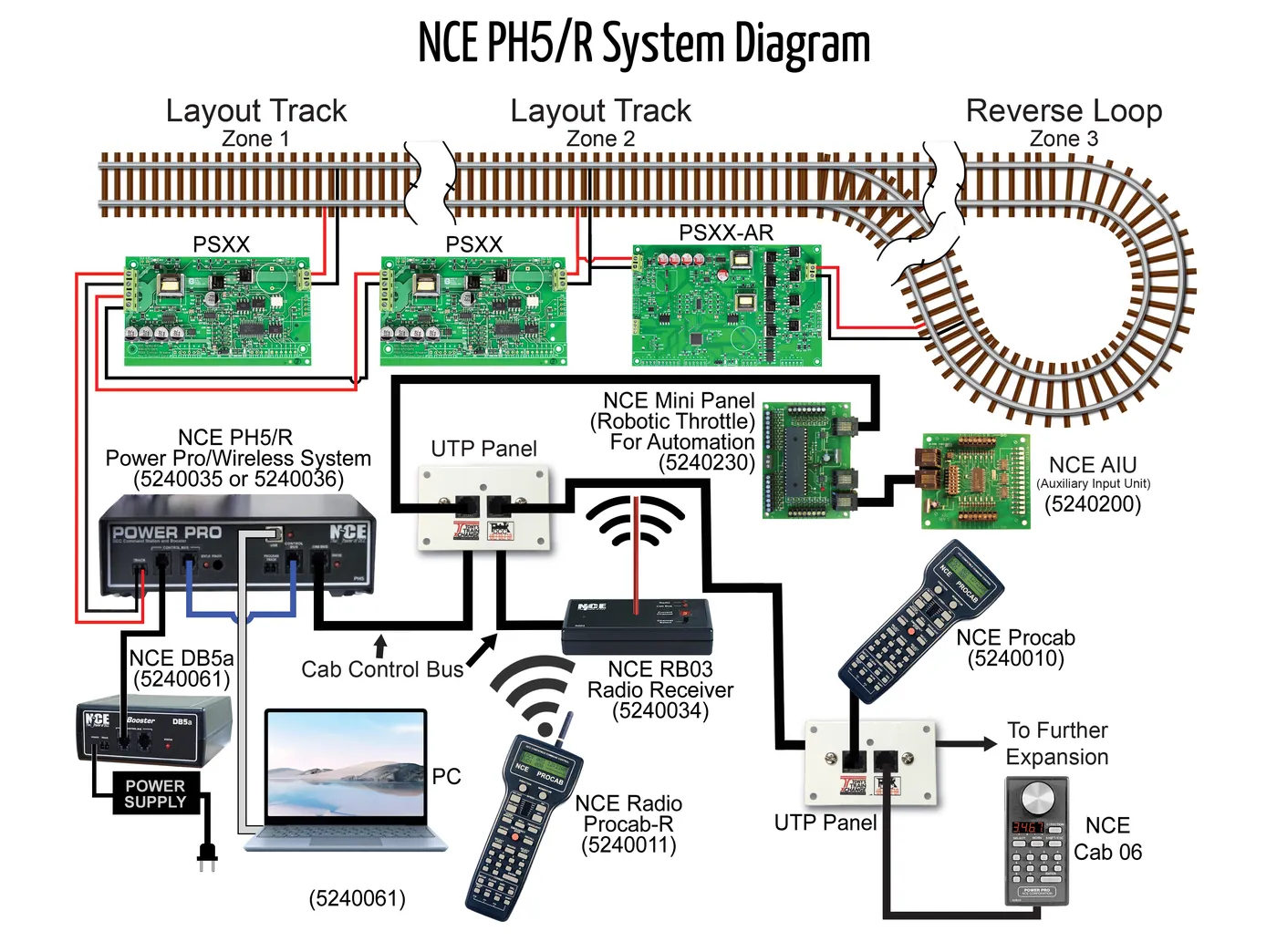
That means the throttle can truly become a walkaround device, and wireless operation can be added appropriately.
Best For
Someone who likes the NCE operating interface and already knows the layout is likely to become large enough to justify a full 5-amp system.
Digitrax EVOX: Don't Judge Digitrax Only by the Zephyr
This may be one of the most important comparisons in this article.
Someone can operate a DCS52 Zephyr and conclude:
“I don't like Digitrax.”
But what they may actually mean is:
“I don't like operating from a stationary console.”
Those aren't the same thing.
The Digitrax EVOX Evolution Express uses the much more capable DCS210+ command station/booster along with the DT602 handheld throttle.
The system supplies 5 amps with its included power supply, supports up to 100 active locomotive addresses and 100 throttles, and retains the full LocoNet expansion architecture.
The DT602 Changes the Experience
The DT602 is significantly different from the throttle built into the Zephyr.
It is a true handheld walkaround throttle featuring:
- Two independent throttle knobs
- Color LCD display
- Full numeric keypad
- F0-F28 function control
- Menus and scrolling prompts
- Locomotive consisting
- Turnout and route control
- Decoder programming
The dual encoder knobs allow an operator to have direct control of two locomotives at the same time.
For someone who doesn't care for the DCS52 console, operating a train with a DT602 can feel like an entirely different system.
That's why we don't recommend evaluating Digitrax based solely on the Zephyr.
EVOX vs. EVOXD
Digitrax also offers the EVOXD, which substitutes the DT602D Duplex Radio throttle and includes the UR93 Duplex Radio transceiver for wireless throttle operation.
For someone who knows wireless walkaround operation is important from the start, that version deserves consideration as well.
Best For
Someone who wants a full-size Digitrax/LocoNet system with a true handheld throttle rather than the Zephyr console.
Power Cab vs. PH5
This is an easy comparison to understand.
Power Cab
Lower initial cost.
Good for a smaller railroad.
Simple entry into NCE.
Can grow as your needs increase.
PH5
Higher initial cost.
5-amp full-size system.
Better suited to a larger railroad and multiple operators.
Uses the same general NCE operating philosophy.
If you already know you're building a substantial HO layout, the PH5 may save you from purchasing several intermediate upgrades later.
DCS52 Zephyr vs. EVOX
This comparison is slightly different.
Both systems introduce you to Digitrax and LocoNet, but the throttle experience is dramatically different.
DCS52 Zephyr
Stationary console.
Large speed knob.
Integrated command station, booster and throttle.
3 amps.
Excellent lower-cost entry into LocoNet.
EVOX
Separate DCS210+ command station/booster.
DT602 handheld throttle.
Dual throttle controls.
5 amps with the included supply.
Much larger system capacity.
Designed around walkaround operation and larger layouts.
Someone who doesn't like operating a Zephyr may still really like operating an EVOX.
What About Wireless and Wi-Fi Throttles?
This is becoming increasingly important.
Don't assume that purchasing a system automatically gives you wireless operation.
With most DCC systems, wireless capability depends on the throttle and additional network hardware being used.
Digitrax, NCE and TCS all provide paths toward wireless or network-based throttle operation, but they accomplish it differently.
For example, Digitrax offers Duplex Radio versions of its handheld throttles as well as LocoNet expansion. NCE uses its Cab Bus and radio base-station architecture. TCS has put considerable emphasis on Wi-Fi throttles and LCC.
When comparing systems, don't just ask:
“Does it have wireless?”
Ask: “What hardware do I need for wireless, what throttles can I use, and how does the system expand when I add more operators?”
Article: DCC Wireless Radio Systems & Comparison
Don't Buy a DCC System Based Only on Amperage
Another common mistake is assuming:
More amps = better DCC system.
Article: Amperage tells you how much electrical load the booster can supply.
It doesn't tell you:
- How easy the throttle is to operate
- How many operators the command station supports
- How good the programming interface is
- How easy expansion will be
- Whether you like the system's throttle
- How detection and signaling are integrated
- How wireless throttles are added
A well-designed 2- or 3-amp system can be perfectly adequate for a modest home railroad.
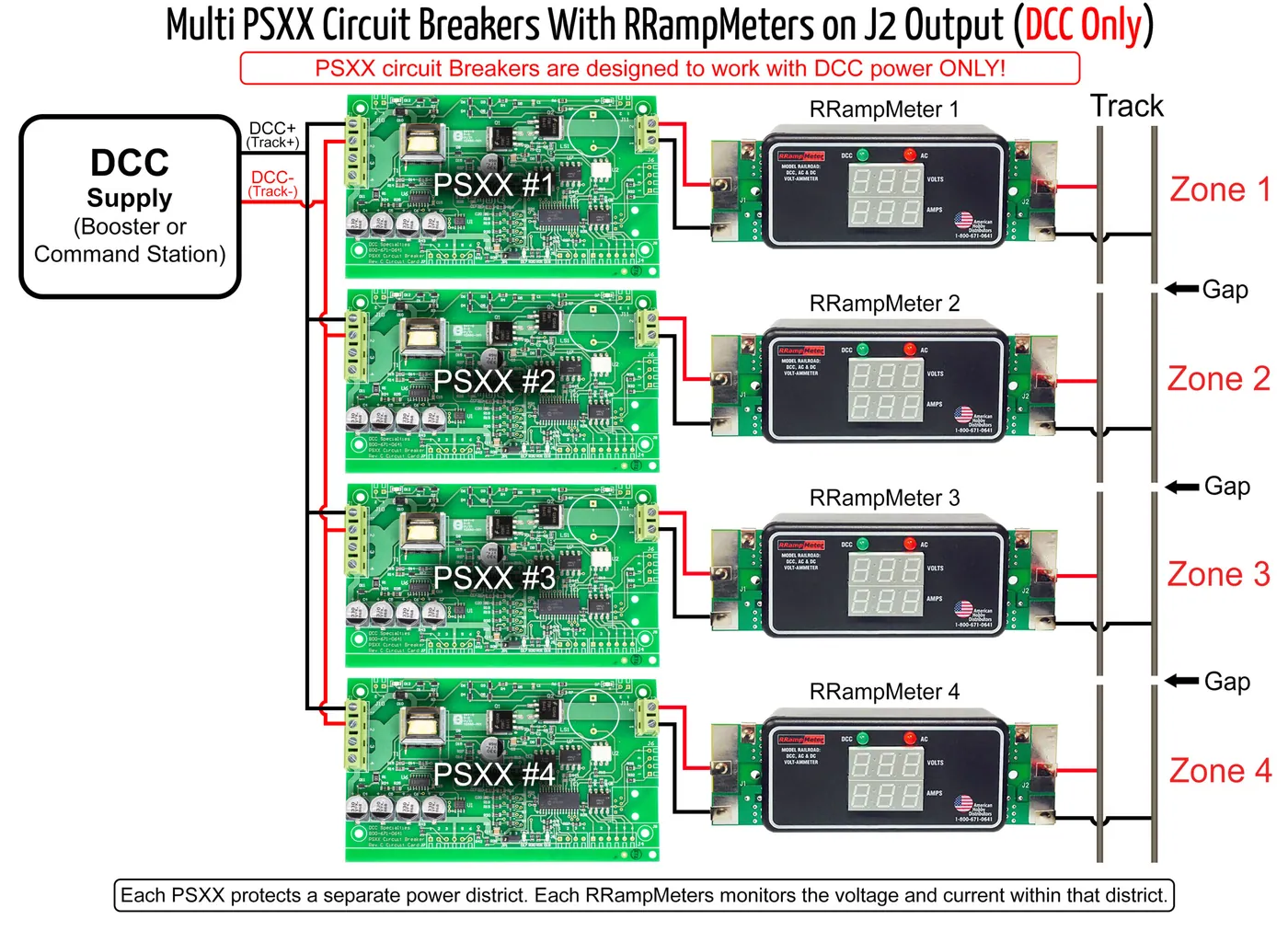
Likewise, a large railroad shouldn't necessarily be powered as one enormous electrical district just because a larger booster is available.
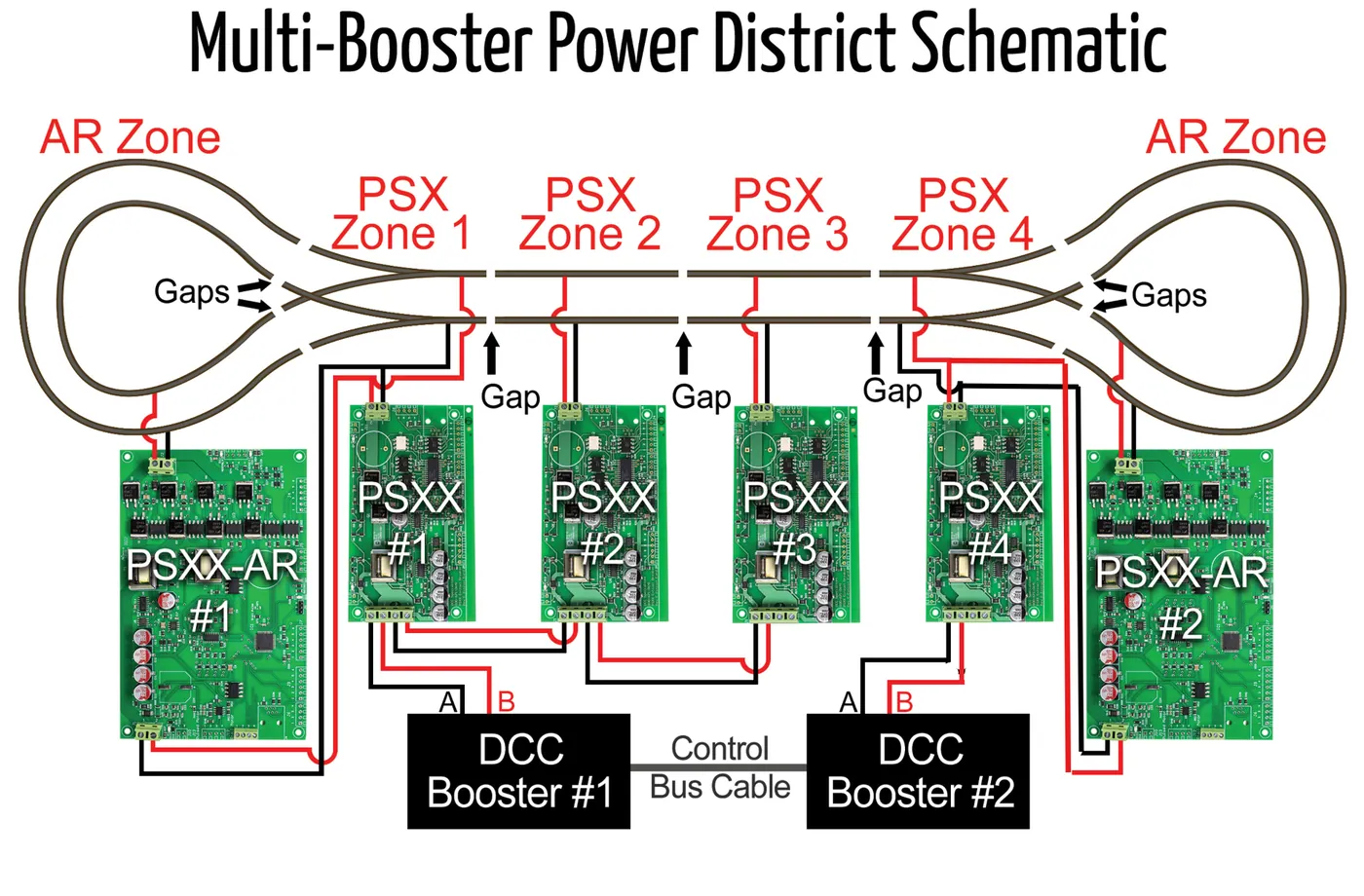
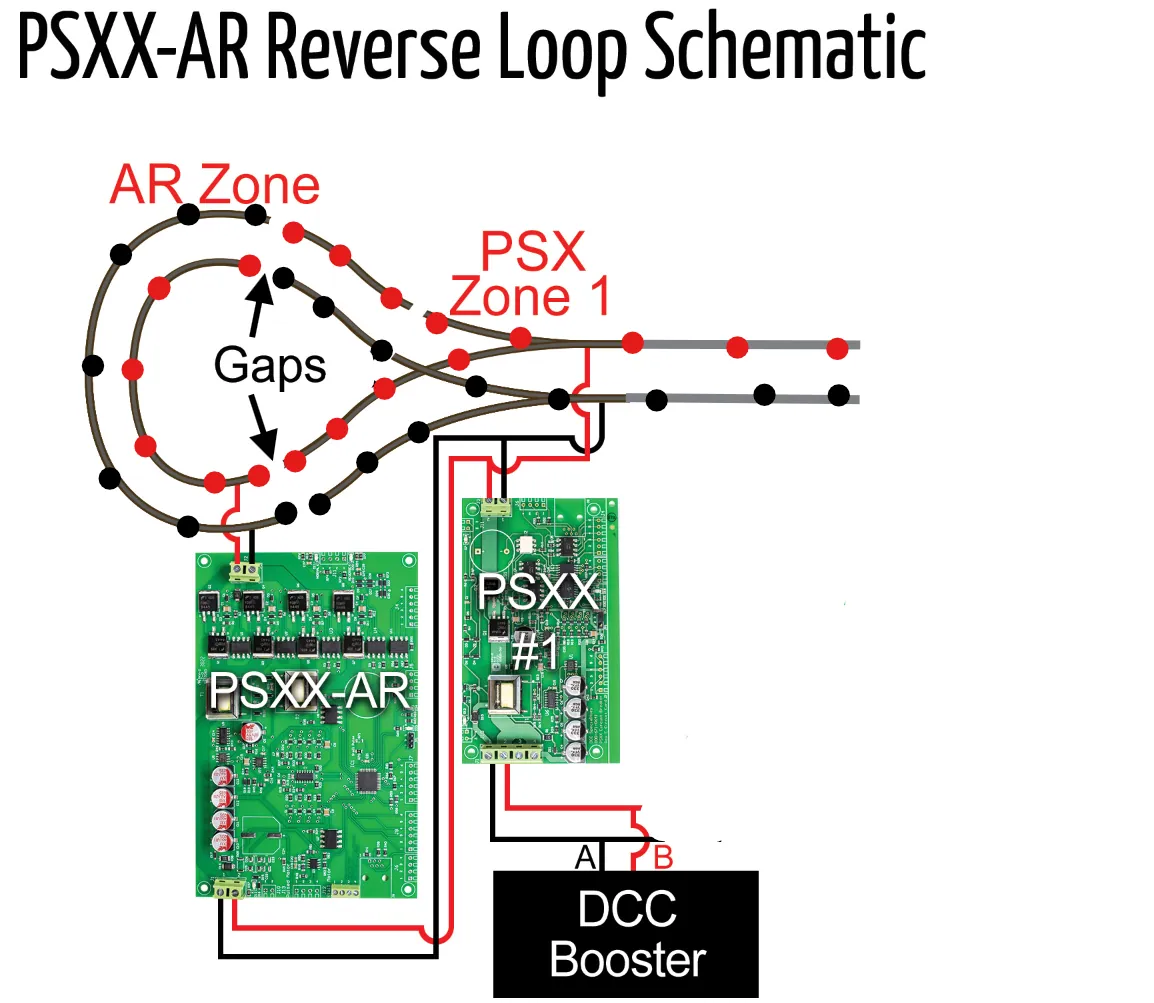
As layouts grow, we generally recommend dividing them into power districts and protecting those districts with electronic circuit breakers such as the DCC Specialties PSXX.
Don't Forget the Rest of the DCC System
The command station gets most of the attention, but it's only one part of a reliable DCC railroad.
Your experience will also depend heavily on:
- Decoder quality
- Track and wheel cleanliness
- Proper bus wiring
- Adequate feeders
- Circuit breakers
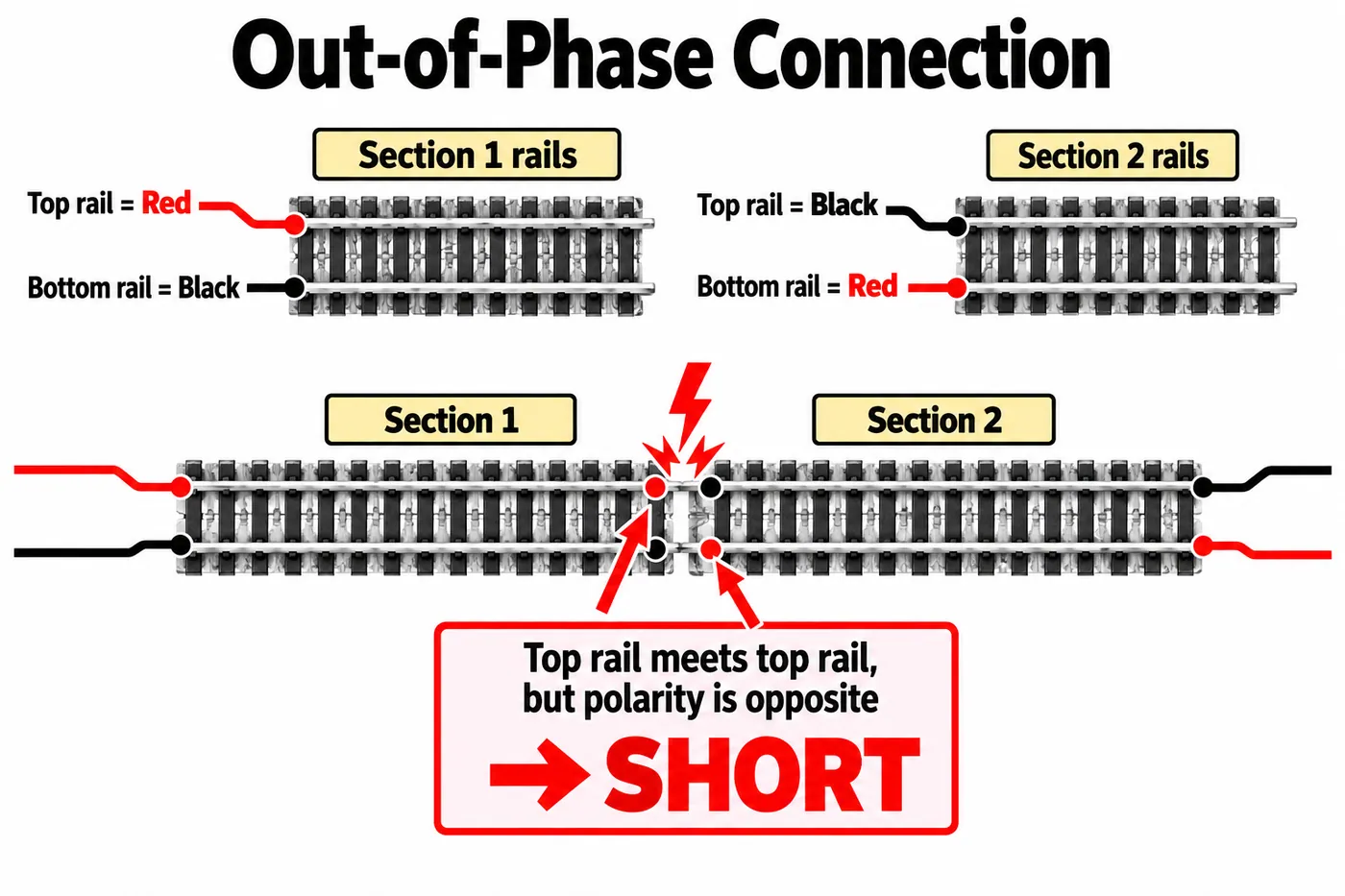
- Auto reversers where required
- Reliable power supplies
- Correct track voltage
- Good programming practices
An expensive command station cannot compensate for poor track wiring.
Likewise, an inexpensive starter system can work extremely well when installed on a properly wired railroad.
Tony's Bottom Line
If someone walked into Tony's today and said:
“I'm new to DCC. I don't know how large my layout will eventually become, and I don't want to spend a fortune getting started,”
these are the systems we'd want them to consider.
| System | Our Take |
|---|---|
| NCE Power Cab | Easiest conventional starting point for many newcomers |
| Digitrax DCS52 Zephyr | Affordable entry into the powerful LocoNet ecosystem |
| TCS LT-50 | Modern handheld interface with LCC integration |
| NCE PH5 | Full-size NCE system for someone who doesn't want to outgrow the starter system |
| Digitrax EVOX / DT602 | Full-size Digitrax system with a very different handheld experience from the Zephyr |
If you're able to try several systems before buying, do it.
Pick up the throttle.
Select a locomotive.
Change direction.
Run the bell and horn.
Select some higher sound functions.
Program a locomotive address.
Try consisting.
Then imagine using that throttle for several hours during an operating session.
Specifications matter, but the throttle is the part of the DCC system you're actually going to hold in your hand.
That is often what ultimately determines which system is right for you.
More DCC Information From Tony's
NCE Articles:
Digitrax Articles:
Tony's DCC Tips & Technical Information: