When They Help—And When They Don't
If you've spent any time on model railroad forums or YouTube, you've probably seen someone say:
"Just add a Stay Alive capacitor—it'll fix everything."
Unfortunately, that's one of the biggest misconceptions in DCC.
A Stay Alive (also called a Keep Alive, Current Keeper, PowerPack, or Power Bridge) is an incredibly useful accessory—but it's not a cure for dirty track, poor wiring, or mechanical pickup problems.
Knowing when to install one—and when not to—can save you money, frustration, and countless hours troubleshooting.
What Is a Stay Alive?
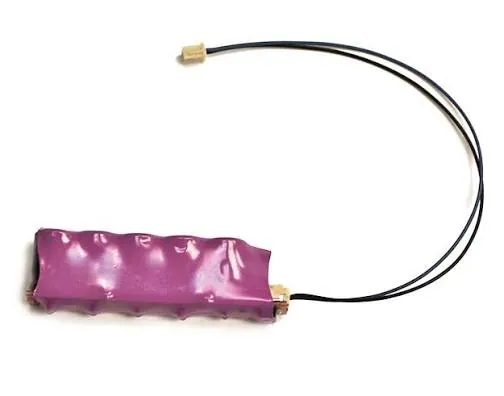
A Stay Alive stores electrical energy while your locomotive has good track power.
If the locomotive briefly loses electrical contact, the capacitor releases that stored energy, allowing the decoder to continue operating for a fraction of a second—or several seconds depending on the design.
The result is:
- Smooth operation through dead frogs
- Fewer stalls on switches
- Reduced sound dropouts
- Better slow-speed performance
- Continuous lighting during momentary power interruptions
Think of it like the battery backup (UPS) on your computer. It isn't meant to power the locomotive forever—it simply bridges very short interruptions.
The Different Names Can Be Confusing
Every manufacturer calls their version something different.
| Manufacturer | Name |
|---|---|
| SoundTraxx | CurrentKeeper |
| ESU | PowerPack |
| TCS | Keep Alive (KA Series) |
| NixTrainz | NTZ Bridge |
| Generic Term | Stay Alive |
Despite the different names, they all perform the same basic function:
Store energy so your decoder doesn't reset during brief power interruptions.
The differences lie in size, capacity, programming features, compatibility, and installation.
Dirty Track vs. Poor Pickup
This is the most important concept to understand.
Dirty Track
If every locomotive hesitates in the same locations...
If locomotives constantly need cleaning...
If sound drops out all over the railroad...
You do NOT need a Stay Alive.
You need to clean your track.
A Stay Alive merely hides the symptom while the underlying electrical problem continues to get worse.
For heavily used layouts, regular track cleaning is still essential.
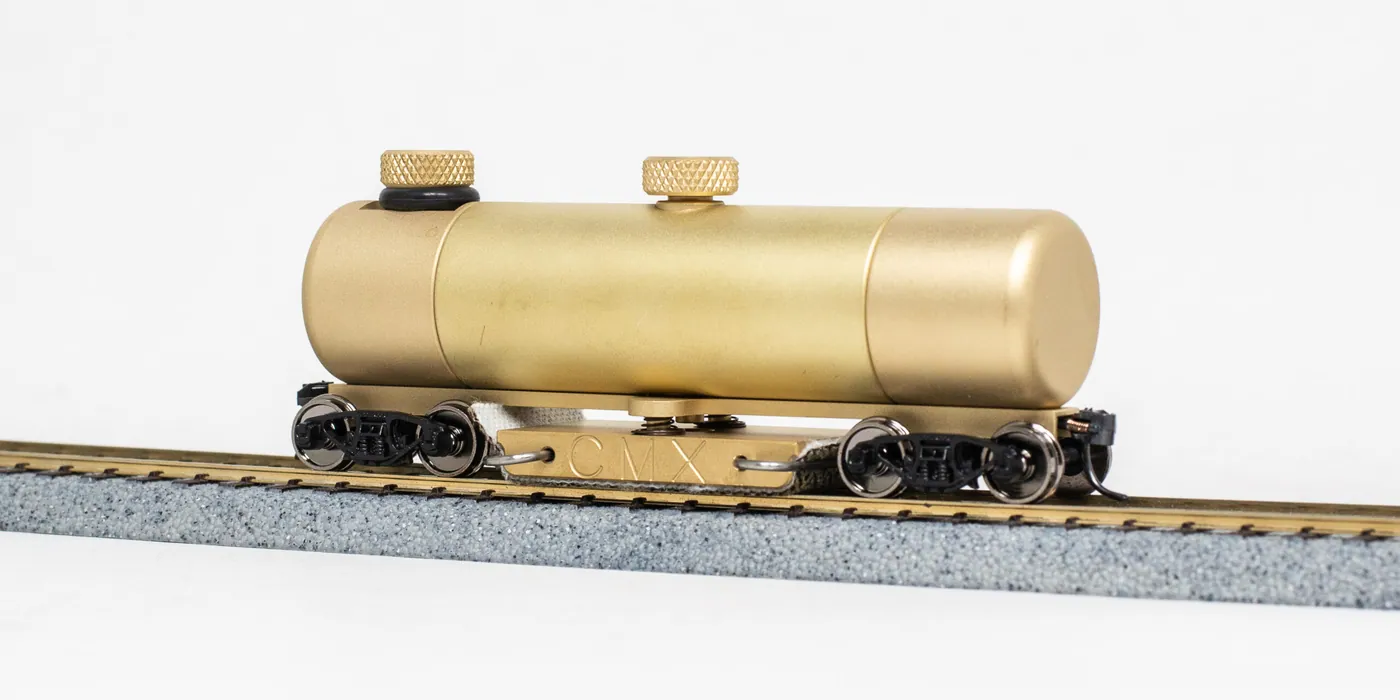
For the most effective cleaning, we recommend using the CMX Clean Machine, which remains one of the most effective track cleaning systems available. Combined with the proper cleaning fluid, it removes oxidation, oils, and stubborn contaminants that ordinary cleaning methods often leave behind.
Poor Pickup
Now consider a different scenario.
A small steam locomotive only collects power from:
- four driver wheels
- one tender truck
It stalls on insulated frogs.
It hesitates over slightly dirty rail.
It loses sound entering switches.
In this situation, a Stay Alive can dramatically improve operation because the decoder only needs to bridge tiny interruptions while the wheels regain contact.
This is exactly what these devices were designed to do.
When a Stay Alive Works Best
A Stay Alive is an excellent solution for:
- Small switchers
- Steam locomotives
- Industrial locomotives
- Four-wheel diesels
- Brass locomotives
- Locomotives with limited electrical pickup
- Layouts with many insulated frogs
- Slow-speed switching
These locomotives naturally have less wheel-to-rail contact, making them ideal candidates.
When You Probably Don't Need One
Many modern diesel locomotives already collect power from:
- all eight wheels
- multiple pickup wipers
If these locomotives stall regularly, adding a capacitor usually isn't fixing the real problem.
Instead investigate:
- Dirty wheels
- Dirty track
- Loose pickup wires
- Poor wheel wipers
- Bad solder joints
- Insufficient feeders
- Voltage drop
- Incorrect wheel gauge
Adding a capacitor to mask these issues often delays the real repair.
Size Matters
The larger the capacitor...
…the longer the locomotive can continue running without track power.
However, larger capacitors require more installation space.
This is why:
- HO diesels often have plenty of room.
- N Scale installations require miniature versions.
- Steam locomotives frequently hide capacitors inside the tender.
- Small switchers may only accept very compact modules.
Always verify available space before purchasing.
SoundTraxx CurrentKeeper
SoundTraxx's CurrentKeeper is one of the largest-capacity energy storage systems available.
Advantages include:
- Extremely long backup time
- Excellent sound continuity
- Great for steam locomotives
- Ideal for larger HO and O Scale models
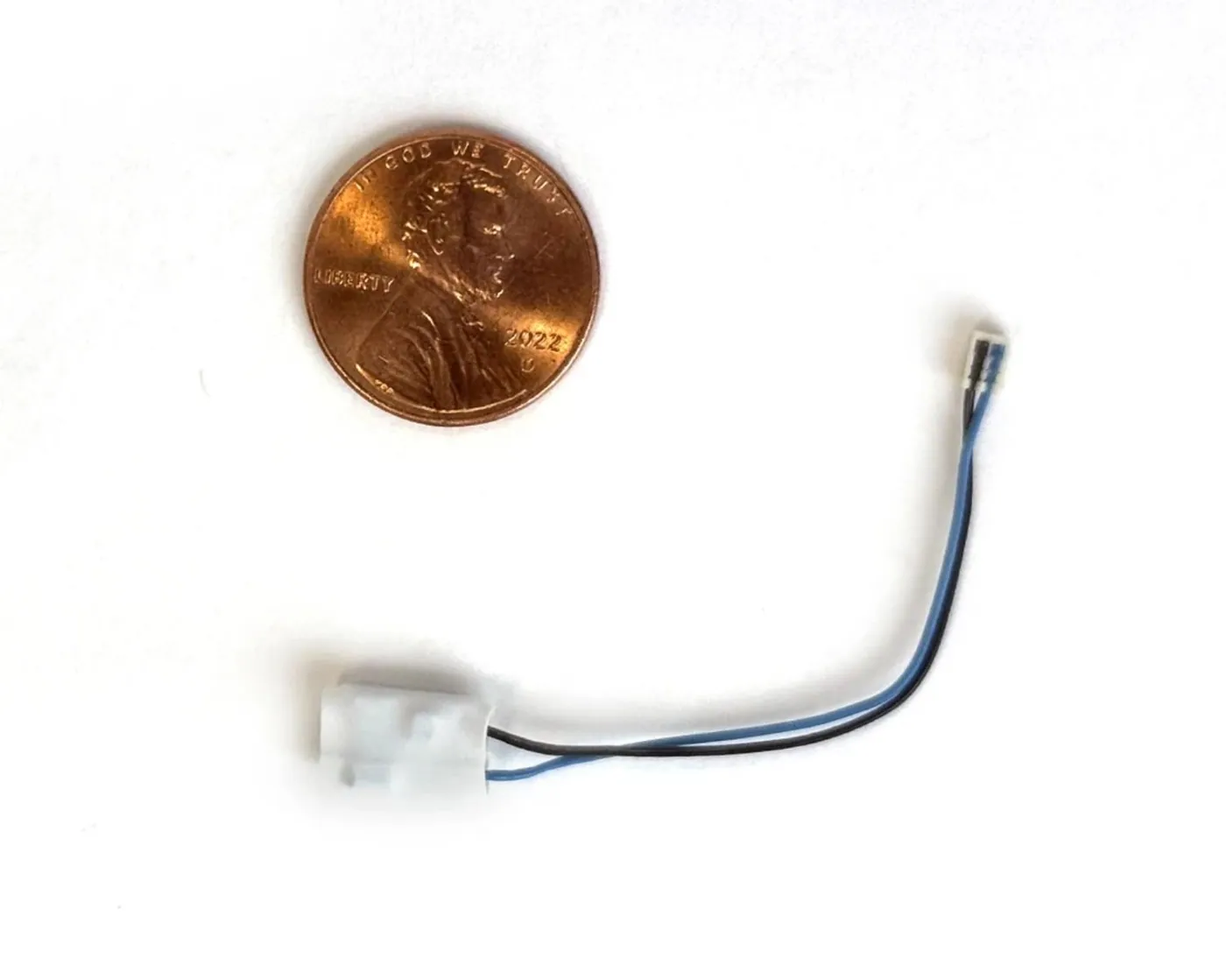
The newest CurrentKeeper 810164 is a welcome addition for smaller locomotives
ESU PowerPack
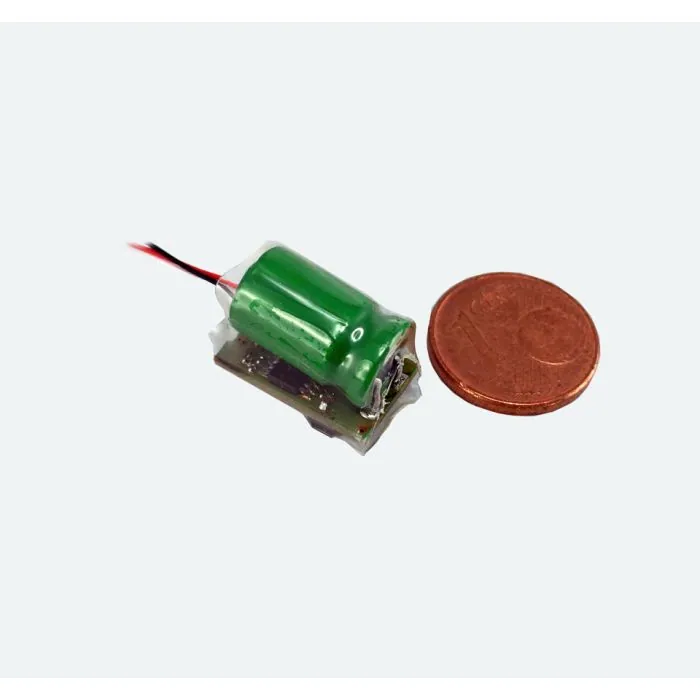
ESU offers several PowerPack versions specifically designed for LokSound decoders.
Benefits include:
- Excellent integration
- Automatic charging control
- Reliable operation
- Multiple size options
Because they're designed specifically for ESU decoders we recommend using only ESU PowerPacks with ESU decoders
TCS Keep Alive
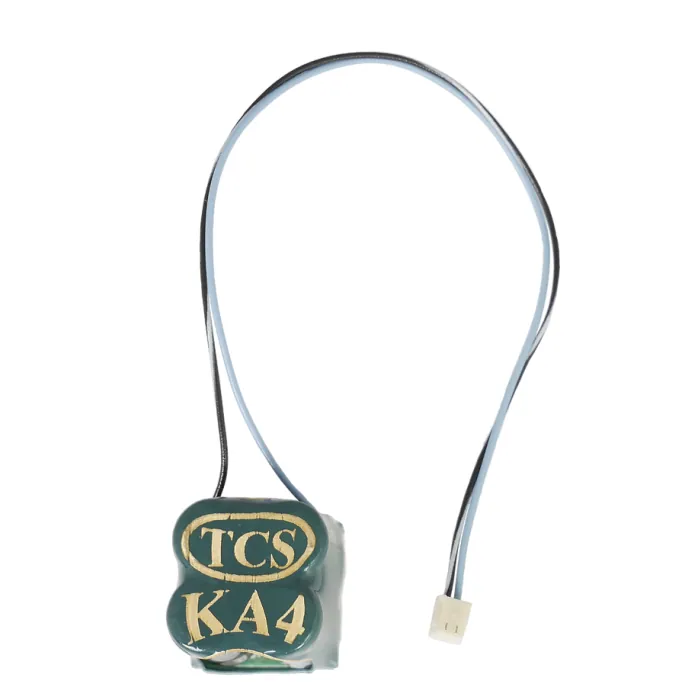
TCS pioneered much of today's Keep Alive technology.
Their KA series offers:
- Compact sizes
- Excellent reliability
- Multiple capacities
- Broad decoder compatibility
They remain especially popular in N Scale installations due to their smaller modules.
NixTrainz NTZ Bridge
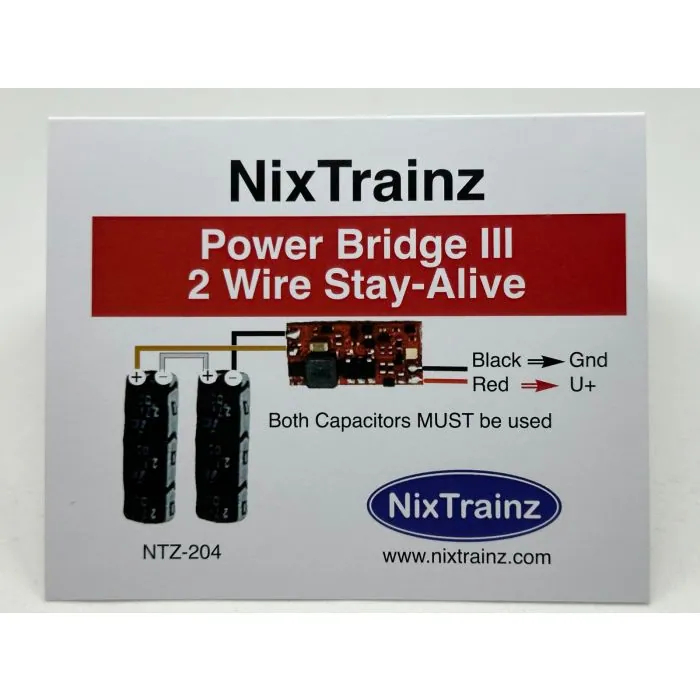
Unlike a traditional capacitor module, the NTZ Bridge serves a different purpose.
Instead of providing long-duration energy storage, it bridges extremely short interruptions while simplifying installation with many decoder configurations.
Benefits include:
- Very compact
- Easy installation
- Excellent for tight spaces
- Ideal companion for Decoder Buddy installations
It's a clever solution when space is extremely limited and a full-sized capacitor simply won't fit.
Programming Considerations
Large capacitors can occasionally complicate decoder programming.
Because the decoder continues receiving stored power after programming commands end, some command stations may have difficulty reading CVs.
Symptoms may include:
- CV read failures
- Programming timeouts
- Decoder not responding on the programming track
Many manufacturers provide methods to temporarily disable the capacitor while programming.
Some installations may require unplugging the module or using a programming jumper if provided.
Fortunately, most modern decoders—including current offerings from ESU, SoundTraxx, and TCS—handle this very well.
Common Myths
Myth #1: A Stay Alive fixes dirty track.
False.
Clean your track first.
Myth #2: Bigger is always better.
Not necessarily.
The largest module isn't useful if it won't fit inside the locomotive.
Myth #3: Every locomotive needs one.
Definitely not.
Many modern locomotives already run flawlessly without one.
Myth #4: A Stay Alive replaces good wiring.
Never.
Good feeders, proper track voltage, quality rail joints, and reliable electrical pickup are still the foundation of dependable DCC operation.
So...Do You Really Need One?
Ask yourself these questions:
✔ Does the locomotive hesitate only on frogs?
✔ Is pickup limited to only a few wheels?
✔ Does sound briefly reset over switches?
✔ Is the track already clean?
✔ Are the wheels clean?
✔ Is the wiring correct?
If you answered yes, a Stay Alive can make a dramatic improvement.
If not, solve the electrical problem first.
A Stay Alive should enhance a well-running locomotive—not compensate for one with underlying issues.
Tony's Tips
At Tony's, we generally recommend addressing problems in this order:
- Clean the track with a CMX Clean Machine.
- Clean the locomotive wheels.
- Clean all rolling stock wheels
- Use metal wheels for all rolling stock
- Verify pickup wipers and wiring.
- Check track voltage and feeder spacing.
- Fix any mechanical pickup issues.
- Then add a Stay Alive if brief interruptions still occur.
Following this sequence results in a locomotive that runs reliably for years—not one that merely hides electrical problems behind a capacitor.